
By Jen Munroe, OSU Hood River County Extension Central Gorge Master Gardener volunteer
You have likely noticed changes outside, and I don’t just mean the generally cooler weather as we move from autumn toward winter. Such regular seasonal change is something that is reassuringly familiar, whether or not you welcome the chill that is to come. I also mean the extreme heat and very dry weather seemingly one minute, the increasing number of atmospheric rivers that bring drenching rains and flooding in another. What we have anecdotally
observed is a shift in our climate, which is causing us to think differently about how we garden in our area.
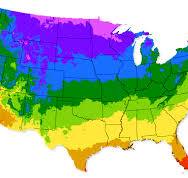
In 2023, the USDA released its new hardiness zone map, available in an interactive version where you can search by zip code here. This new map showed what so many of us had already been witnessing in our gardens. On the whole, our climate is becoming more extreme in both temperature and precipitation. What the map told us is that we aren’t imagining this shift toward a warmer climate; it is real, and it is happening across the country (and elsewhere) as the planet warms.
The question is, how might we use this new information to help us plan, or revamp, our gardens? Our area has generally shifted nearly one full hardiness zone. In Hood River, for instance, which used to be in Zone 7a/7b, we are now in Zone 8a/8b; White Salmon, which used to be Zone 7b, now ranges from 7b to 8a/8b. While these changes might seem small, their effect on our gardens can be substantial. But the good news is that, armed with the knowledge
that our climate is changing, we can change the way we garden to meet the challenges we face now and will face in the future.
What you can do now: Assess your garden today First, have a look at (and a good think) about your garden. What grew well this year? What did not? Did your garden grow differently this year? Over the past 5-10 years? Which plants survived (or even thrived) in recent years, and which ones have you had to help along perhaps more than you used to, either by providing more shade, more water, or other aids? It may well be that part/s of your garden remain happy while others are clearly struggling. What you can do to plan for the future: Build on successes and develop new strategies for success later
It may seem counterintuitive, but November is a great time to plant some key elements in your garden, especially trees, shrubs, and perennials. The soil is still warm, and coupled with the rain that we often get in the month of November, planting now can give plants the opportunity to establish their roots and do much of the undersoil work before next season so that they are
ready to grow well later. This is also a good time to divide/move perennials that have thrived in our changing climatic conditions and to add new ones that might have the best chance of thriving into the future, especially native and drought-tolerant plants, which are often well adapted to warmer and drier conditions.
Next, prepare your soil now using amendments, including mulch, to help retain and build the goodness your plants will use next year. Come spring and summer, our attention is so often on what happens above ground, but it is underfoot where so much of the magic happens. This OSU link has more information about how to maximize your fall labor to make a stunning garden
come into being later.
One word that is becoming increasingly central to the way we think about gardening is resiliency, and there are other ways you can build more resilience into your garden. The OSU Master Gardener’s Level Up program this year has focused on gardening in a time of climate change, and their series includes a group of videos (all free and available here) on a range of topics including water-wise gardening and tree health, as well as others that might help you think holistically about how to approach your own short- and long-term garden planning. Change isn’t all bad, though. This warmer and drier climate trend also means that we have new opportunities to extend our gardening season; and with some ingenuity and adaptation, we might even discover new approaches to gardening to make the most of plants that will
increasingly be happy in our area. Our CGMGA native plants garden at the OSU Extension Office is a good example of how we might focus on plants particularly adaptable to Oregon’s changing climate. And this story about the Education Garden at the Portland Community College Rock Creek campus illustrates how a focus on resilient planting can be attractive to both people and wildlife with future-proofing in mind. Being forced to rethink the way we garden might also serve as an opportunity for us to reflect on how we inhabit the landscape more broadly, as this OSU piece details: how we think about
water (and other resource) use, where and how we get our food, and how we might imagine leaving the land where we live and grow things for future generations. If you’re interested in more information about gardening in a changing climate, you might check out this site from OSU, which details their “Climate Future” campaign, which will provide resources over the
coming year.
Central Gorge Master Gardener volunteers provide free beginning gardening classes and
continuing education to home gardeners. For research based information about specific
gardening or pest questions, submit your concern online at
extension.oregonstate.edu/mg/hoodriver or by phone at 541-386-3343. Home gardeners can
also drop off plant or pest samples Monday – Thursday between 9 AM and 4 PM at the OSU
Hood River County Extension Service, 2990 Experiment Station Drive, Hood River, OR.
The Central Gorge Master Gardener program is a division of the OSU Hood River County
Extension Service. OSU Extension Service prohibits discrimination in all its programs, services,
activities, and materials.
- 2023 USDA Hardiness zones: https://news.oregonstate.edu/news/new-plant-hardiness-map-used-gardeners-nationwide-and-based-osu-climate-data-unveiled
- USDA hardiness interactive map:
https://planthardiness.ars.usda.gov/ - Resources for gardening in changing climate:
https://extension.oregonstate.edu/garden-future/resources-gardening-changing-climate - Extreme weather and gardening in the age of climate change:
https://ucanr.edu/site/uc-master-gardener-program-sonoma-county/extreme-weather-and-gardening-age-climate-change
Leave a Reply